

-
Five Ways to Improve the Quality of Aluminum Die Castings
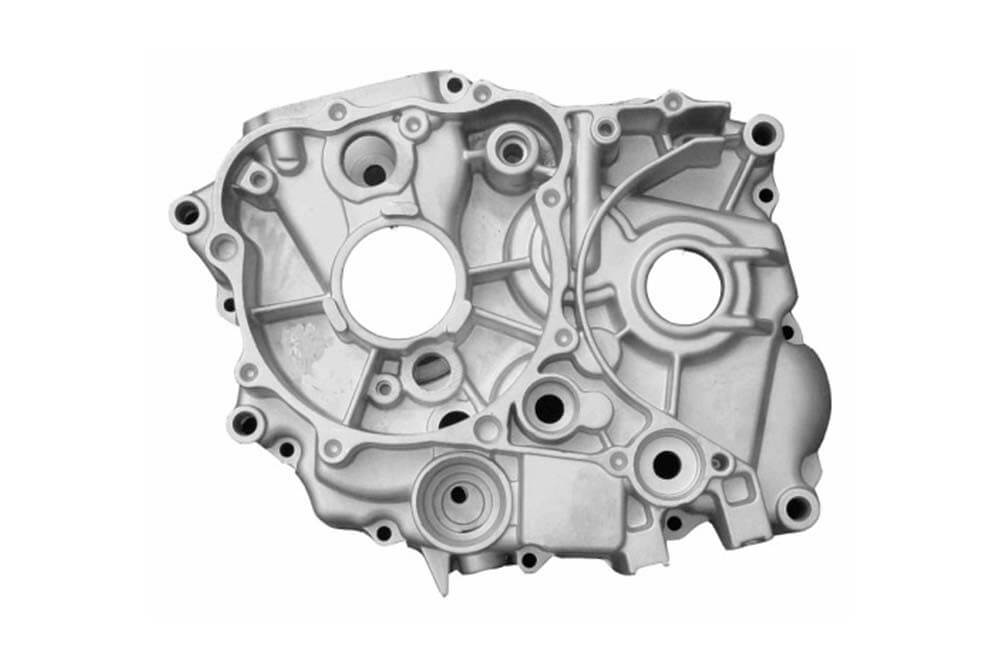
Aluminum is known for being lightweight and durable, making it one of the most popular materials for producing functional parts and prototypes. It also has impeccable corrosion resistance, thermal and electrical conductivity, and maintains dimensional stability even in high temperatures and harsh environments. Aluminum castings are one of the products of Accurate Performance Machining, Inc.

-
How Anodizing Improves Your Electronics
Seeing rust on an iron or steel surface can be alarming. Needless to say, if your car parts start to turn a noticeable reddish-brown color—what happens to iron during the oxidation process—you may need to visit a repair shop or car dealer.
-
Everything You Need to Know About Anodized Aluminum
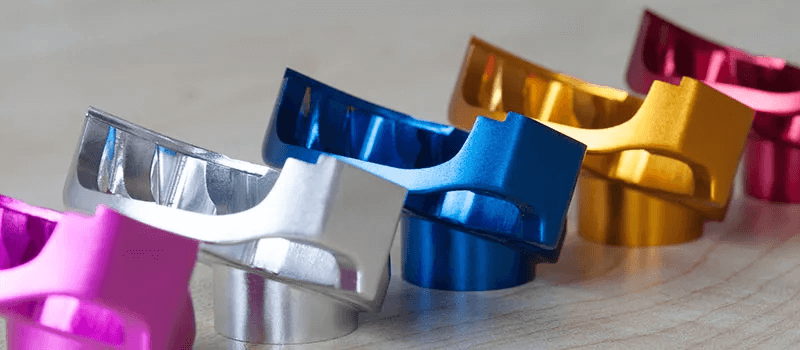
When you need a metal prototype or part with excellent mechanical properties and professional aesthetics, anodized aluminum is an excellent choice. The anodizing process forms an oxide layer on the metal part that effectively improves corrosion resistance while enhancing visual quality and protecting the surface from scratches.
-
How and When to Make Plastic Prototypes
In almost every instance of product development, no matter what industry it applies to, prototyping is a necessary stage that will ultimately determine the success of your production efforts. The rise of rapid prototyping has made it easy and affordable to quickly iterate plastic prototypes. However, there is a range of manufacturing technologies capable of producing plastic prototypes, and knowing which one you should use will optimize the entire product development process.
-
Casting properties of metals and 3 important factors that affect them
Humans have been casting metals for thousands of years, from cast iron and bronze tools to gold and silver jewelry. In modern times, metal casting still plays an important role in human industry and art. Custom Machining Inc is one company with metallurgical capabilities. Before the “raw materials” such as ingots, bars or plates can be processed, the metal must be melted and cast upstream in the supply chain.
-
3 Lightweight Metals and Their Key Benefits
Steel is the most widely used metal in the world today, offering a balance of material properties and low cost. However, when steel, with a density of 7.8g/cm³, is too heavy for an application, product designers must turn to one of the lighter materials available. While there are many plastics that can reduce the load, lightweight metals are a popular and sturdy choice







Contact Us
E-mail: sales@huilong-machining.com
Address:No.102, Building C, Tuhu Baiyun Industrial Avenue, Freshwater Street, Huiyang District, Huizhou City, Guangdong Province, China
Copyright @ Huizhou Huilong Hardware Machinery Co., LTD Rights Reserved sitemap
