

-
Titanium and Aluminum: Which Lightweight Metal is Best for Your Project?
When it comes to machining lightweight metals, two common materials come to mind: titanium and aluminum. These two metals are widely used across industries for their strength-to-weight ratio, corrosion resistance, and fabrication capabilities. Engineers may have questions about the applications of these materials, such as, “Is titanium lighter than aluminum?” or “Is titanium stronger than aluminum?” To help you decide which metal is best for your next machining project, here is an overview of th

-
Cast Iron and Steel: What Are Their Advantages and Disadvantages?
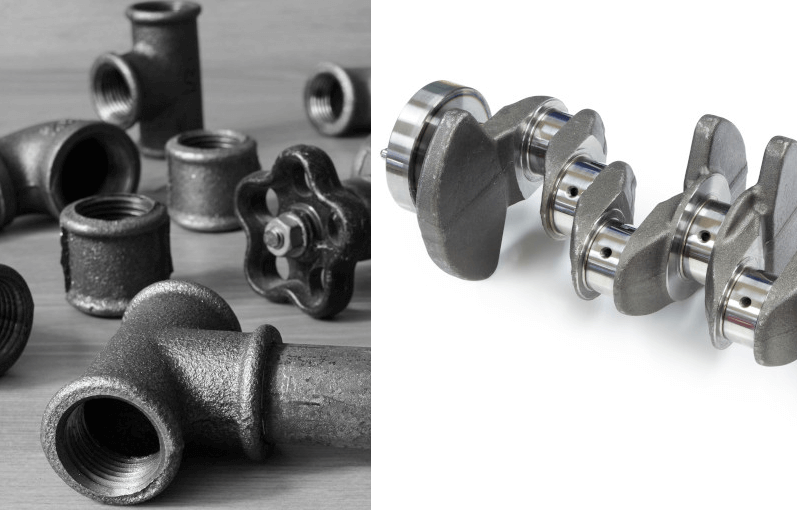
Steel and cast iron are both common metals, but their uses are very different. The key factor that distinguishes the two is how much carbon they each contain, and to a lesser extent, silicon. While this may seem like a subtle distinction, it has a significant impact on the properties and uses of cast iron and steel. This article explains the unique features of cast iron and steel to help you decide which metal is the right choice for your next casting project.
-
5 Important Design Considerations for CNC Turned Parts
CNC (Computer Numerical Control) machines are used to create turned parts with extreme precision. These machines are programmed to follow a set of instructions that tell them how to cut and shape the material. This process ensures that each part is exactly the same as the one before it, which is critical for precision engineering applications.
-
Machining Large Parts: Understanding the Problems and Solutions
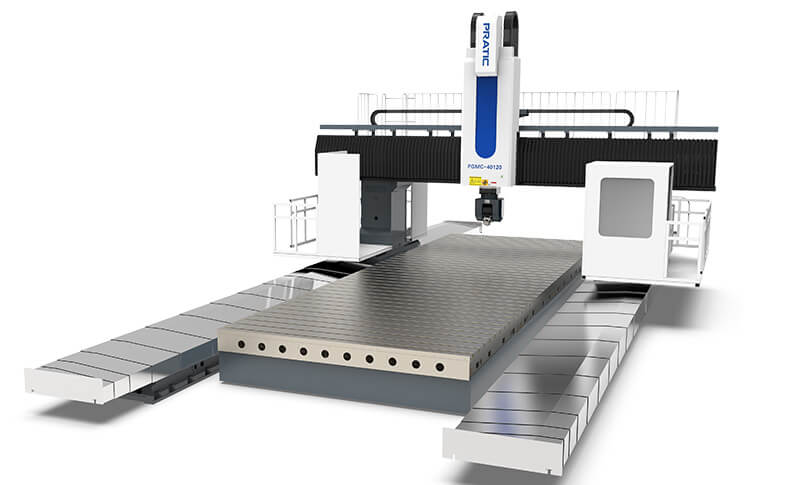
Factors that Influence Machining Large PartsLarge part machining is a great exam
-
How to Remove Chrome Plating from Metal
Chrome plating is a common finish for metal items, but it can be difficult to remove if you need to change the color or appearance of the underlying metal. There are several different ways to remove chrome plating, depending on the type of metal and the amount of chrome that needs to be removed. Sometimes, this is a task that can be easily done at home, but it is usually best to leave it to a professional. Some methods may require special equipment or chemicals, so it is important to research be
-
General Milling: Learn How This Process Works
Since the beginning of the first industrial revolution, product design requirements have become increasingly demanding. For example, in the 1770s, you could make almost anything using traditional hand tools. However, turning product ideas into products today requires top-notch manufacturing technology and highly qualified machinists. One of the processes that paved the way for machinists to meet today’s demanding product design requirements is called general milling.







Contact Us
E-mail: sales@huilong-machining.com
Address:No.102, Building C, Tuhu Baiyun Industrial Avenue, Freshwater Street, Huiyang District, Huizhou City, Guangdong Province, China
Copyright @ Huizhou Huilong Hardware Machinery Co., LTD Rights Reserved sitemap
